News

What The Key Features Should You Look for in a Thick Board Machine for PVC Production?

2025-12-11 0 Leave me a message

Choosing the right plastic board machine for PVC production is essential for achieving consistent quality, high output, and long-term reliability. Our team at Qingdao Comrise Machinery Co., Ltd. has spent years refining machines to meet industrial demands. In our factory, we focus on combining performance, precision, and ease of maintenance. When selecting a thick board machine, buyers must consider structural stability, heating and cooling efficiency, control systems, and output flexibility to ensure the system aligns with their production goals.


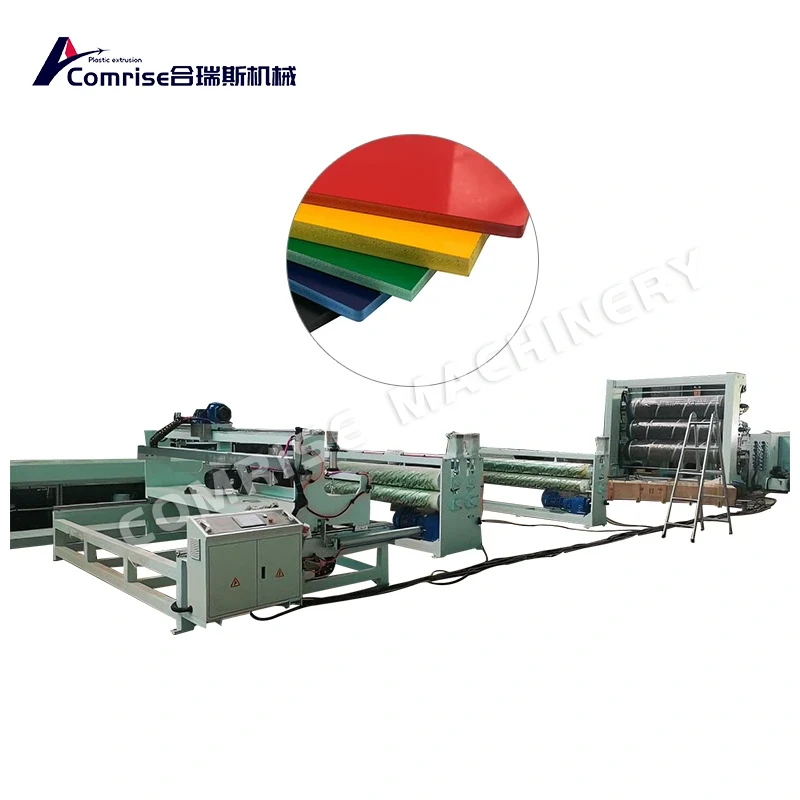
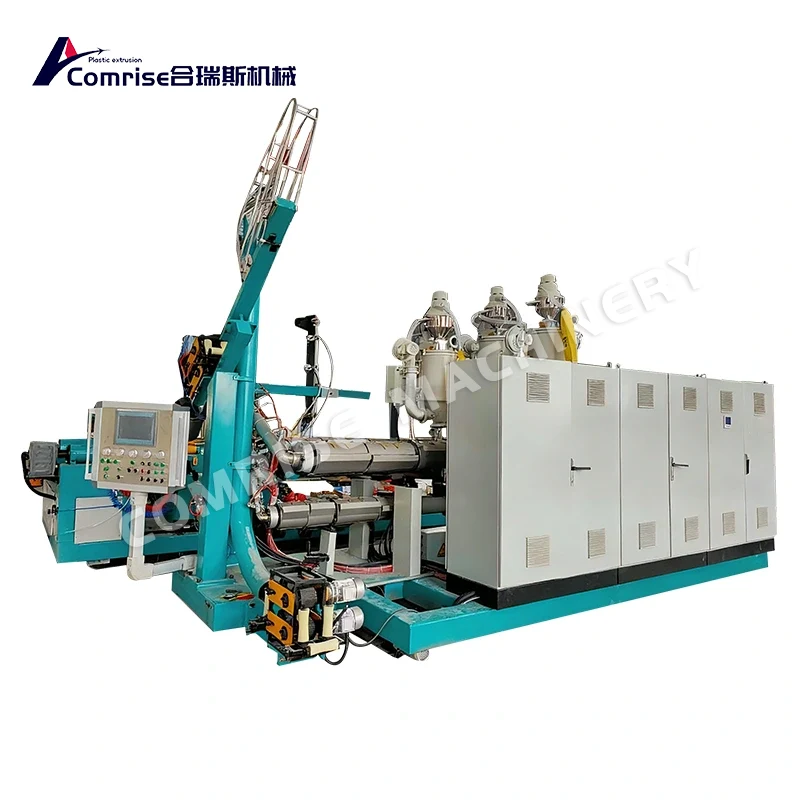
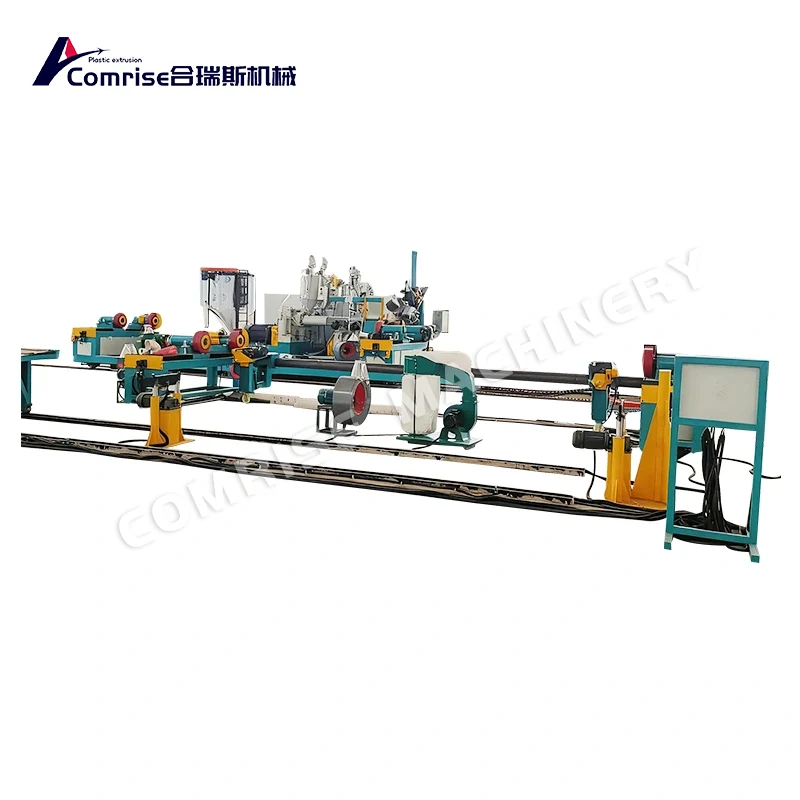
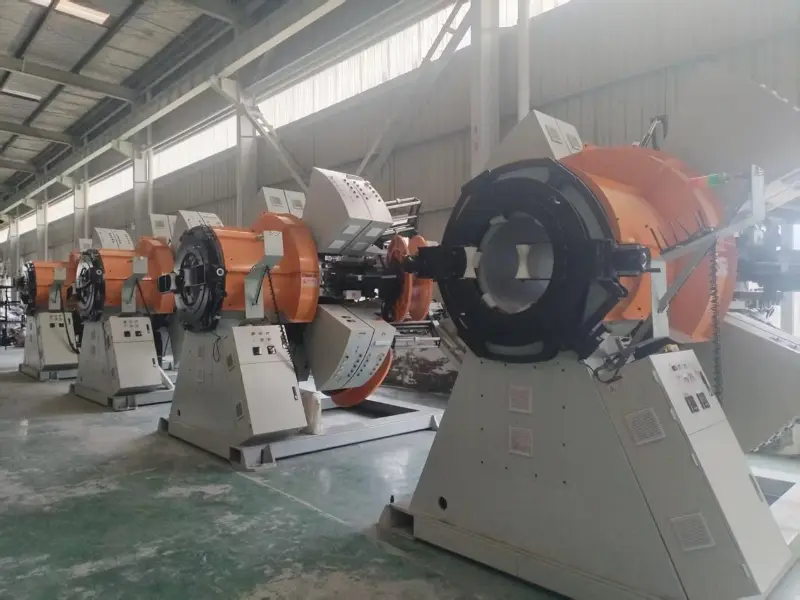
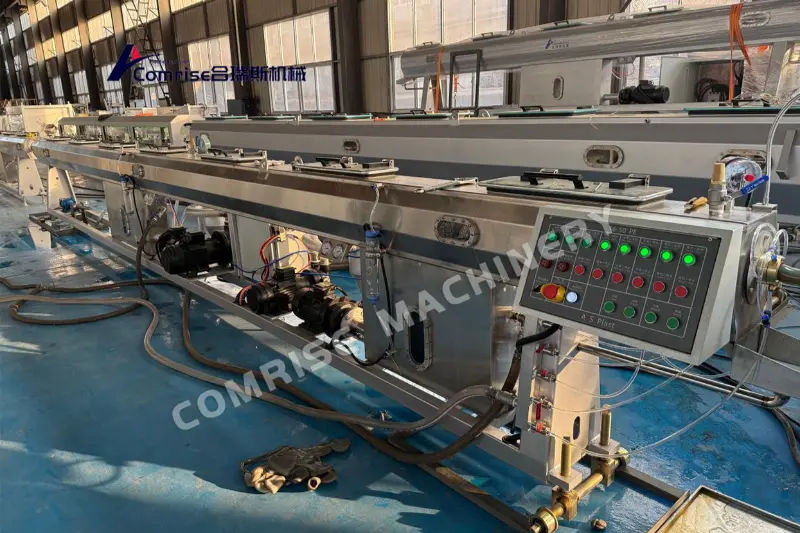
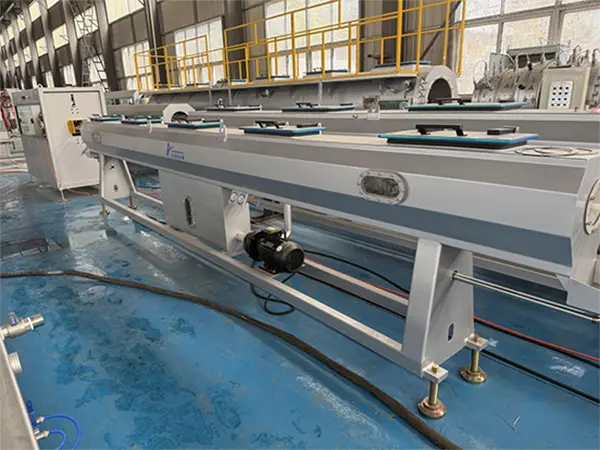
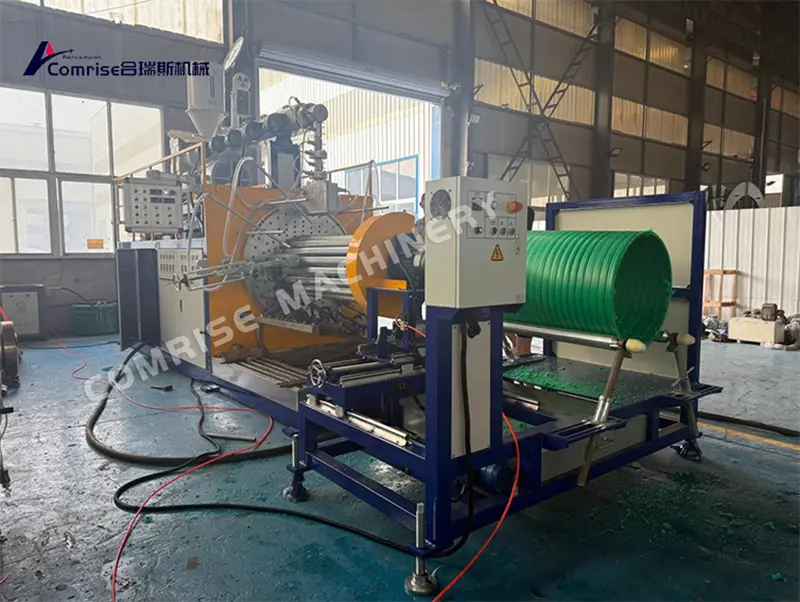
PP PE PVC thick board production line


How Does the Structural Design Affect the Performance of a Plastic Board Machine?

The structural design of a thick board machine determines both its operational stability and the quality of the PVC boards produced. Machines with reinforced frames and precision-aligned rollers reduce vibration and improve sheet uniformity. Our factory emphasizes rigid frameworks, which help minimize deflection during high-speed operation and maintain consistent thickness across the board. Proper structural design also influences maintenance frequency and equipment longevity.

Roller design is equally important. High-precision chrome-plated rollers ensure smooth extrusion and prevent surface defects. In our experience, integrating automatic alignment and tension control systems enhances both the production speed and product consistency. When selecting a plastic board machine, checking the mechanical layout and roller specifications is crucial for long-term reliability.


What Heating and Cooling Features Ensure Optimal PVC Sheet Quality?

Temperature control plays a critical role in the production of thick PVC boards. Our factory uses multi-zone heating systems combined with efficient cooling rollers to achieve uniform sheet temperature throughout the extrusion process. Proper heat distribution reduces internal stress, prevents warping, and ensures smooth surfaces. Buyers should look for machines with precise temperature sensors and responsive control systems.

Below is a table outlining typical heating and cooling parameters in high-performance plastic board machines. This provides a reference for evaluating machine capabilities during selection.

Heating Zone Temperature Range Control Method Notes
Pre-Extrusion 180–220°C PID controller Ensures consistent PVC melting
Main Extrusion 200–240°C Independent digital control Maintains uniform sheet thickness
Cooling Rollers 25–60°C Water-cooled circulation Prevents warping and improves surface finish

How Does the Control System Impact Machine Efficiency?

Modern Plastic Board Machines rely on advanced control systems to monitor speed, temperature, roller alignment, and extrusion pressure. Our factory integrates PLC-based systems with touchscreen interfaces for real-time monitoring and adjustment. This approach reduces operator error, improves safety, and allows precise tuning for different PVC formulations. Machines without such systems may produce inconsistent thickness or surface defects, which can lead to higher material waste and downtime.

Automation also extends to production reporting. Our engineers provide data logging capabilities that track output, energy consumption, and maintenance intervals. This information helps users plan preventive maintenance and optimize production schedules.


What Are the Key Mechanical Parameters to Consider for Consistent PVC Board Thickness?

Maintaining consistent thickness is essential for high-quality PVC sheets. Factors such as roller diameter, gap adjustment mechanism, and extrusion speed directly influence thickness uniformity. At Qingdao Comrise Machinery Co., Ltd., our machines incorporate precision screw extruders and adjustable roller gaps to ensure tolerances are maintained. This prevents issues like edge thinning or central bulging, which are common in poorly designed systems.

The table below illustrates key mechanical parameters and typical ranges for thick board production. This helps buyers compare machines and select the most suitable equipment for their production line.

Parameter Recommended Range Effect on Board Quality Notes
Roller Diameter 400–800 mm Uniform extrusion and surface finish Depends on board thickness and width
Gap Adjustment 0–20 mm Precise thickness control Manual or hydraulic adjustment
Extrusion Speed 2–10 m/min Influences surface smoothness and internal stress Must match PVC formulation viscosity

Why Energy Efficiency and Safety Features Should Not Be Overlooked?

Energy consumption is a major operational cost in PVC production. Machines with high-efficiency motors, optimized heating zones, and intelligent cooling systems reduce electricity usage without compromising product quality. Our factory prioritizes energy-efficient designs, helping clients lower operating costs while maintaining consistent output.

Safety is equally important. Emergency stop systems, over-temperature protection, and roller guards prevent accidents and protect operators. When evaluating a Plastic Board Machine, ensure that safety features meet local regulatory standards and are integrated seamlessly into the workflow.


FAQ: What Are The Key Features You Should Look for in a Thick Board Machine for PVC Production?

Q1: How does roller precision affect PVC sheet quality?

High-precision rollers ensure uniform thickness and smooth surfaces. Misaligned or uneven rollers can create edge thinning or central bulging. Our machines use precision-turned chrome rollers with automatic alignment to maintain consistent sheet quality.

Q2: What role does temperature control play in the extrusion process?

Temperature control affects PVC melting, flow, and internal stress. Multi-zone heating combined with controlled cooling prevents warping and surface defects. Our factory provides machines with independent digital controls for each zone to maintain optimal conditions.

Q3: Why is automation important for production efficiency?

Automation reduces operator errors, allows real-time monitoring, and ensures consistent speed and pressure. PLC-based systems track output and maintenance data, helping users optimize production schedules and minimize downtime.


Conclusion

Choosing the right Plastic Board Machine for PVC production requires careful attention to structural design, heating and cooling systems, control technology, and mechanical precision. Our team at Qingdao Comrise Machinery Co., Ltd. focuses on providing machines that combine high performance, energy efficiency, and safety. With our factory’s expertise, we help clients achieve consistent board quality, reduced downtime, and optimized production costs. If you are planning a new production line or upgrading existing equipment, contact our technical department today to find the best solution for your PVC board manufacturing needs.

Related News
Leave me a message
X
We use cookies to offer you a better browsing experience, analyze site traffic and personalize content. By using this site, you agree to our use of cookies. Privacy Policy
RejectAccept