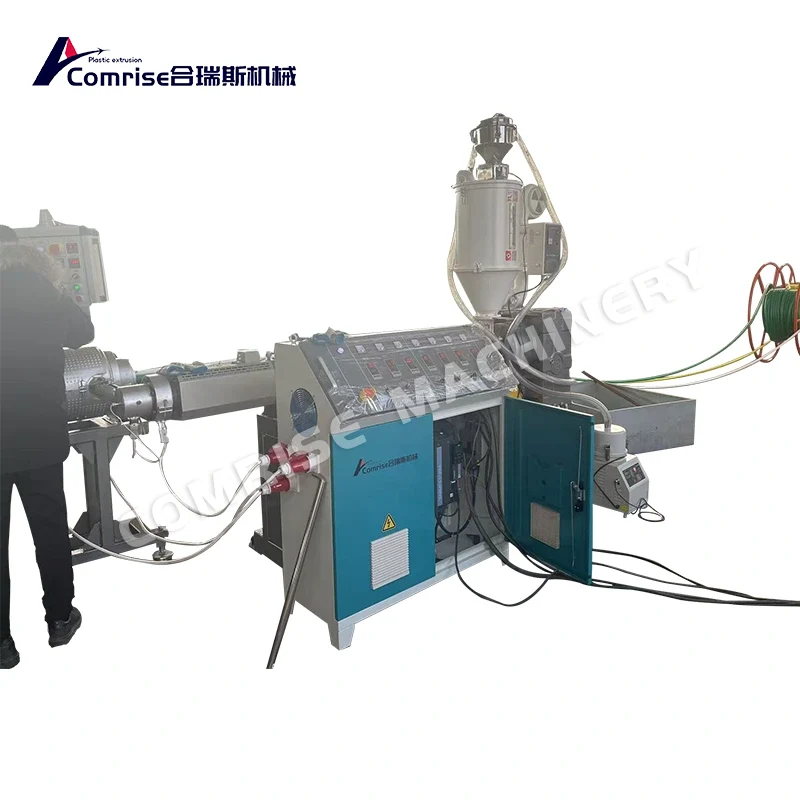
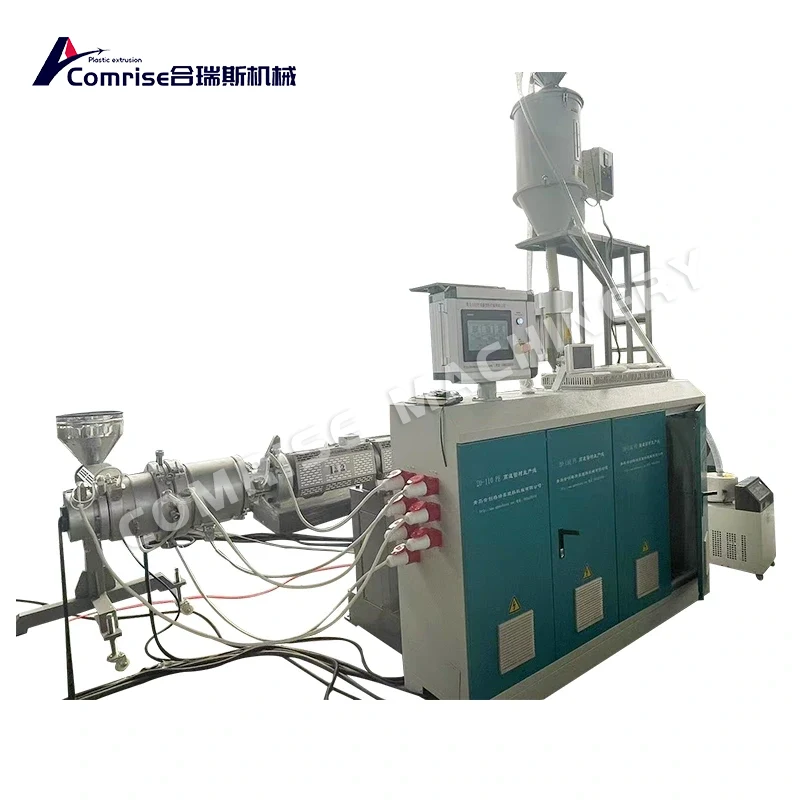
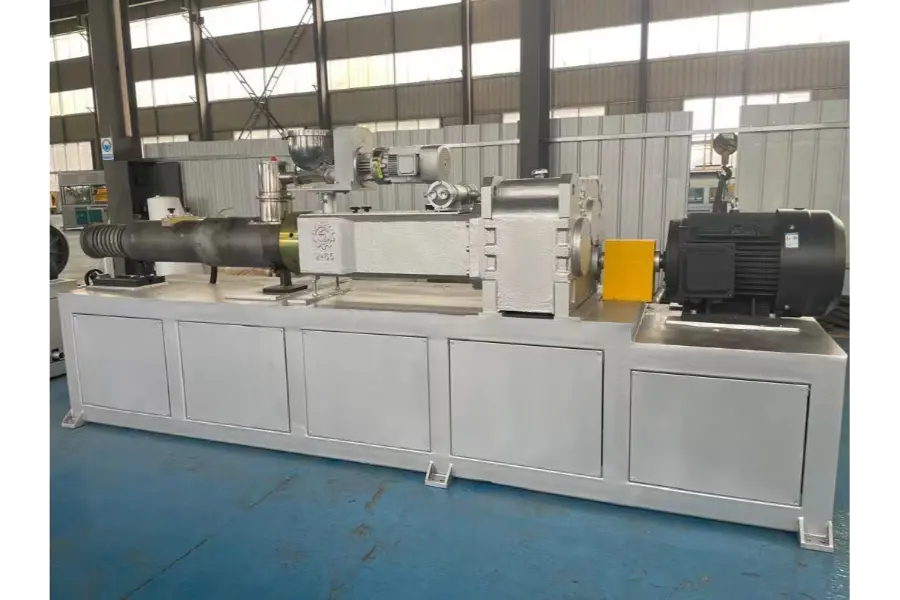
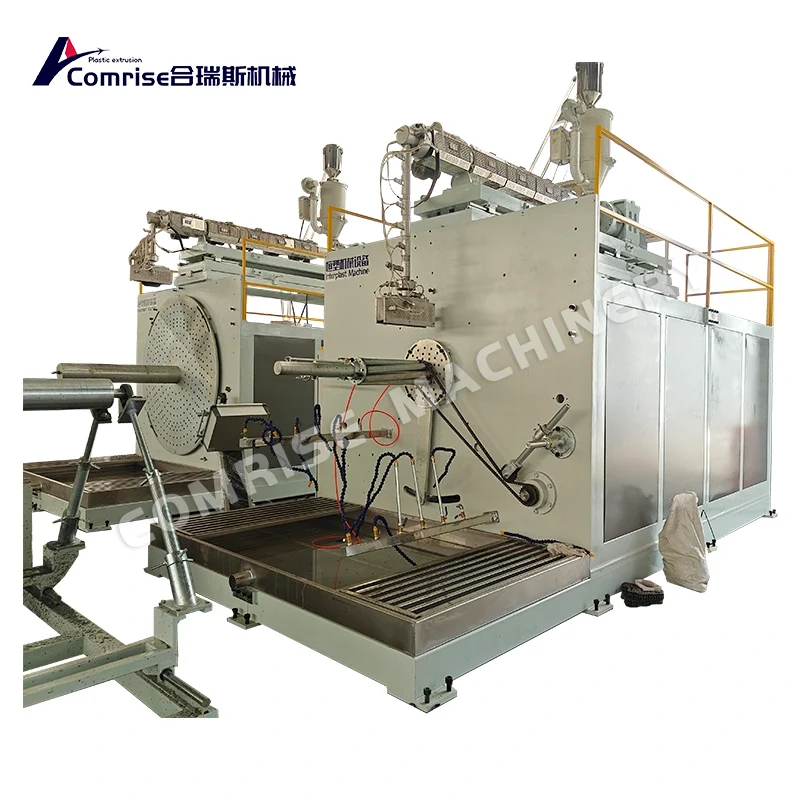
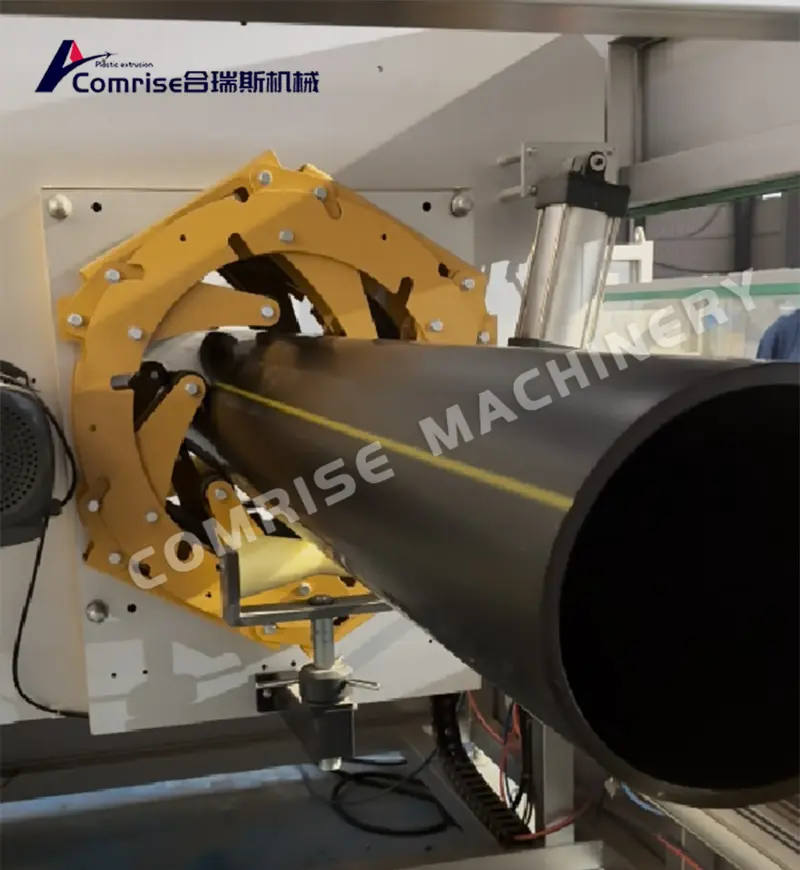
In modern agriculture, efficient water management and cost‑effective irrigation systems are essential to maximizing crop yield and sustainability. A Flat Drip Irrigation Pipe Machine automates the production of flat drip irrigation pipes with precise emitter spacing and high throughput, helping farmers produce high‑quality irrigation tubing and enabling smarter irrigation practices. This article explores how these machines work, their core features, advantages, technical parameters, applications, and how they can help agricultural businesses thrive in water‑scarce environments.
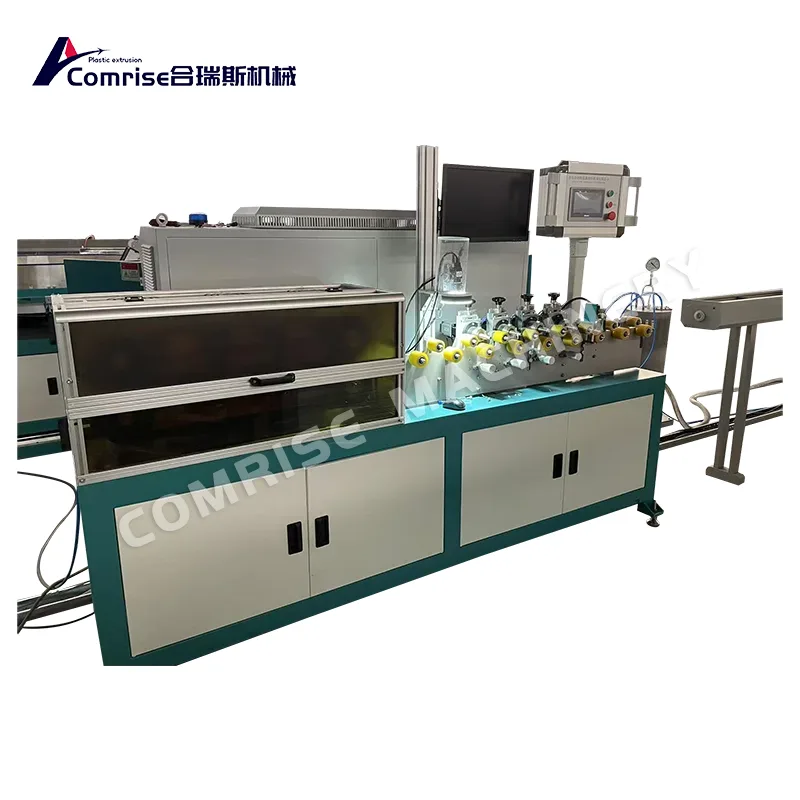
Table of Contents
What Is a Flat Drip Irrigation Pipe Machine?
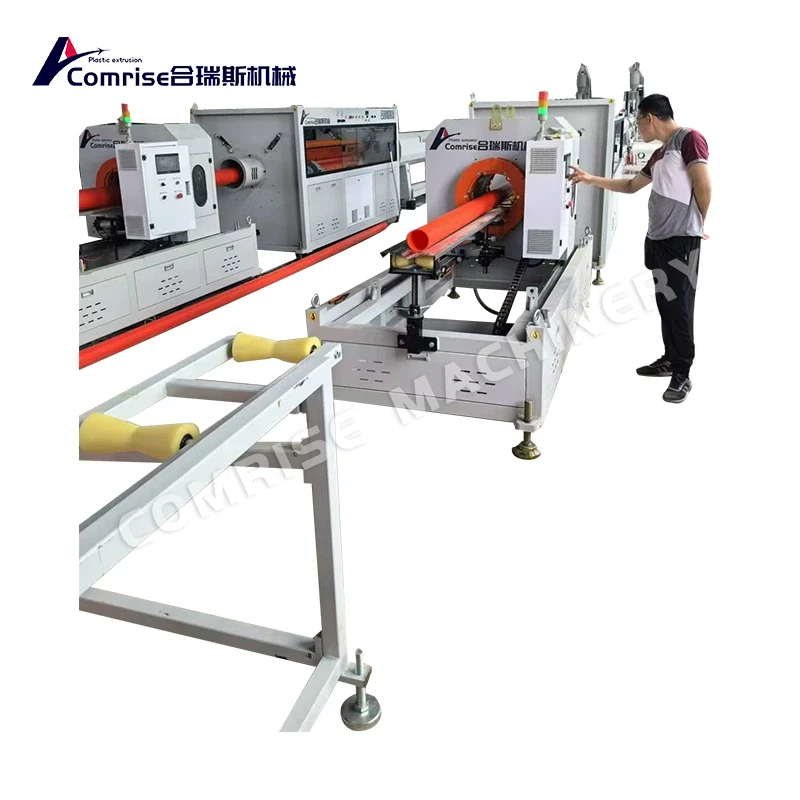
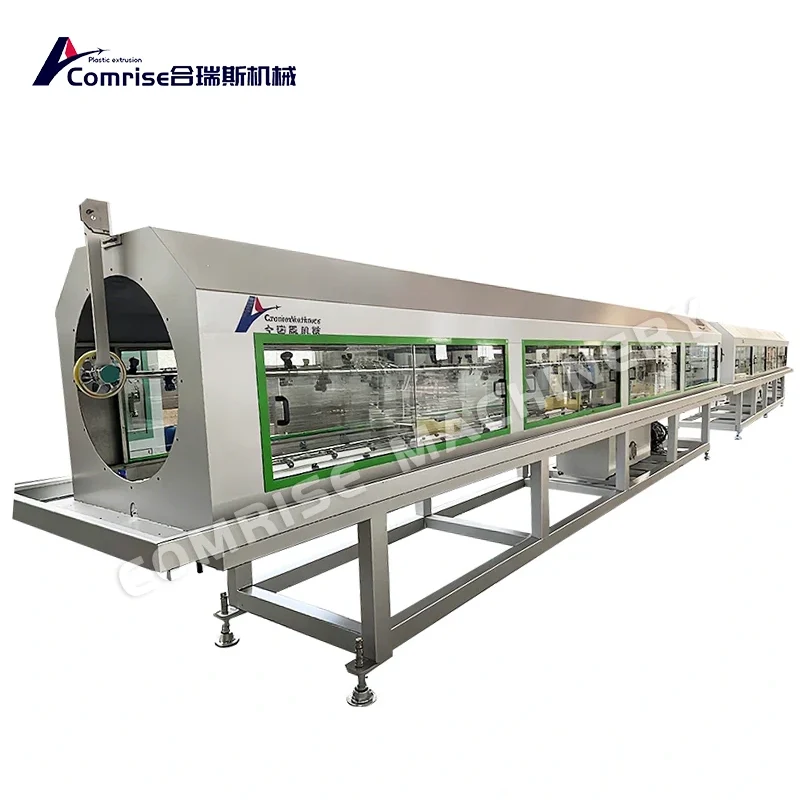
A Flat Drip Irrigation Pipe Machine is an automated production line used to manufacture flat‑profile drip irrigation pipes. These pipes include integrated drip emitters that release water slowly and directly to plant roots, making them one of the most efficient irrigation methods for modern farming. This specialized machine automates the extrusion, dripper embedding, punching, hauling, and coiling processes to produce irrigation pipes consistently at high volumes and precision.
Such machines are widely used by pipe manufacturers and agricultural suppliers to meet demand for water‑saving irrigation products that support sustainable farming and optimal crop growth.
How Does It Work?
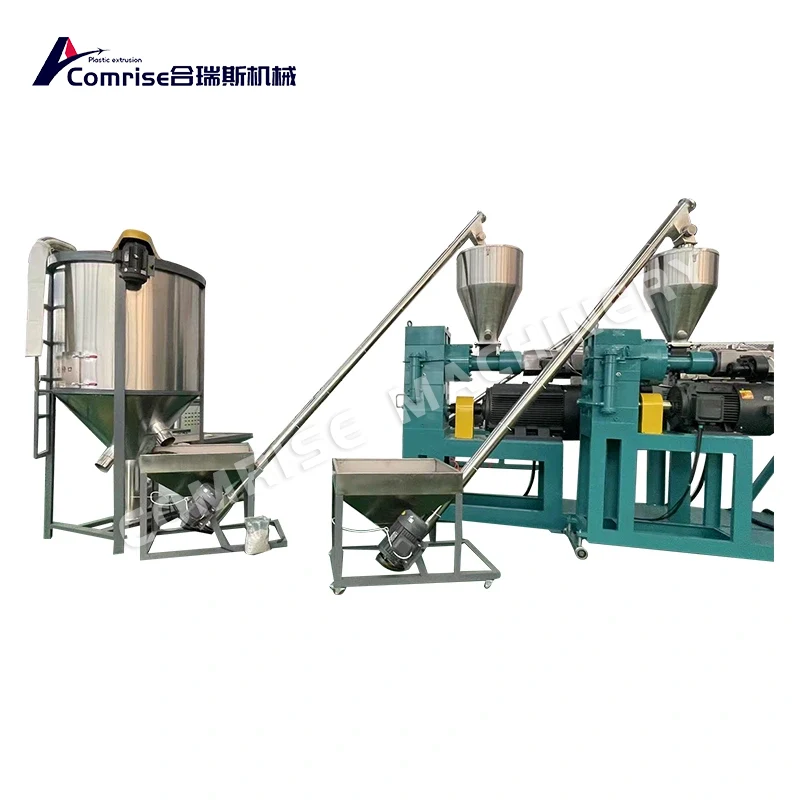
- Raw Material Feeding: Plastic pellets (usually PE) are fed into an extruder.
- Extrusion: The material is melted and formed into a flat pipe profile with integrated drippers under controlled pressure.
- Dripper Embedding: Automated dripper insertion mechanisms place and secure emitters at precise spacing.
- Punching & Quality Checks: The machine punches holes and uses sensors to ensure emitter placement accuracy.
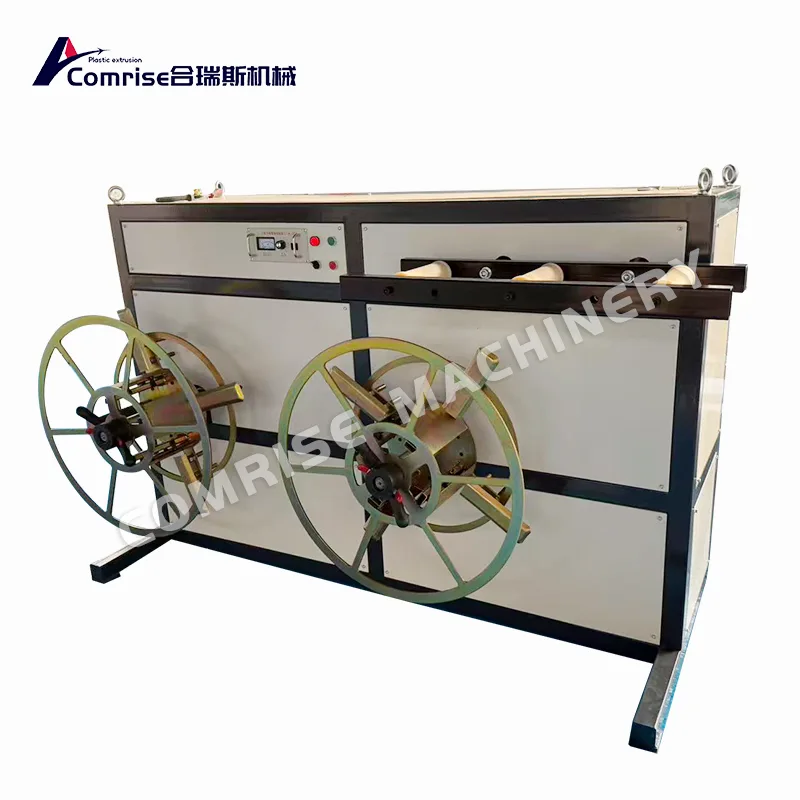
- Haul‑off & Coiling: Completed pipes are pulled and coiled onto reels for storage or shipment.
These steps are coordinated by a programmable logic controller (PLC) and servo‑driven systems to maintain consistent quality and efficient production.
Key Advantages of Using This Machine
- Water Efficiency: Produces drip irrigation tubing that conserves water by delivering it directly to crops’ root zones.
- Cost Savings: Automates production with minimal labor, reducing operational costs.
- High Precision: Controlled dripper spacing improves irrigation uniformity and crop health.
- Scalability: Supports high volume production for commercial irrigation supply.
- Enhanced Performance: Modern machines deliver tighter process control, energy savings, and durability.
Core Components and Specifications
| Component | Functionality | ROI Impact |
|---|---|---|
| Extruder | Melts and forms flat pipe profiles | High throughput |
| Dripper Insertion Unit | Precise dripper embedding | Better irrigation quality |
| Punching Machine | Creates precise holes for emitters | Improved product consistency |
| PLC Control System | Centralized machine operation | Efficiency & automation |
| Coiler | Reels finished pipes | Easy handling & transport |
Typical specifications for modern machines vary, but many support production speeds from 80 to over 300 meters per minute, depending on pipe dimensions and machine model.
Top Applications in Agriculture
Flat drip irrigation pipes produced by these machines are best suited for:
- Greenhouse farming for vegetables and flowers
- Field crops like cotton, maize, and grains
- Orchards for fruit trees
- Tree plantations and vineyards
- Large‑scale irrigation systems needing uniform water delivery
Tips for Choosing the Right Machine
- Ensure complete automation and PLC control for reduced labor costs.
- Check production speed and dripper spacing flexibility.
- Look for servo‑driven systems for stable, precise operation.
- Choose models with easy dripper embedding calibration.
- Consider long‑term after‑sales support.
Frequently Asked Questions (FAQ)
What materials are used in these machines?
Flat drip irrigation pipe machines typically process polyethylene (PE) resins, which provide flexibility and durability in produced irrigation pipes.
Can the machine handle recycled raw materials?
Yes, some modern models like those offered by Comrise support the use of recycled materials without sacrificing quality.
How much production speed can I expect?
Production speeds can range from 80m/min up to 300m/min or more, depending on model and configuration.
Is automation necessary?
Automation dramatically reduces labor requirements and improves consistency and precision in pipe production.
The right flat drip irrigation pipe machine can redefine your irrigation product capabilities and boost agricultural efficiency. For quality solutions and expert support from industry professionals like Comrise, contact us today to discuss machine options tailored to your business and irrigation needs!